

Loctite is one of the most trusted adhesive brands in the world, used in automotive repairs, metalwork, woodworking, home improvement, and industrial applications. Whether you’re using Loctite threadlocker, super glue, or epoxy, knowing how long it takes Loctite to dry is essential for safe and effective results. Drying and curing times vary depending on the formula, material, and environmental conditions. This guide breaks it all down so you know exactly what to expect.
Loctite Dry Time vs. Cure Time
Before diving into the specifics, it’s important to understand the difference between dry time and cure time:
-
Dry Time (or Fixture Time):
The period when the adhesive becomes strong enough to hold parts together without shifting. This is usually much shorter. -
Cure Time:
The time required for the adhesive to fully harden and reach maximum strength. Curing often takes 24 hours or more.
Different Loctite products have different drying and curing profiles, so always check the product technical data sheet (TDS).
Loctite Drying Times by Product Type
1. Loctite Threadlocker (Blue, Red, Green, Purple)
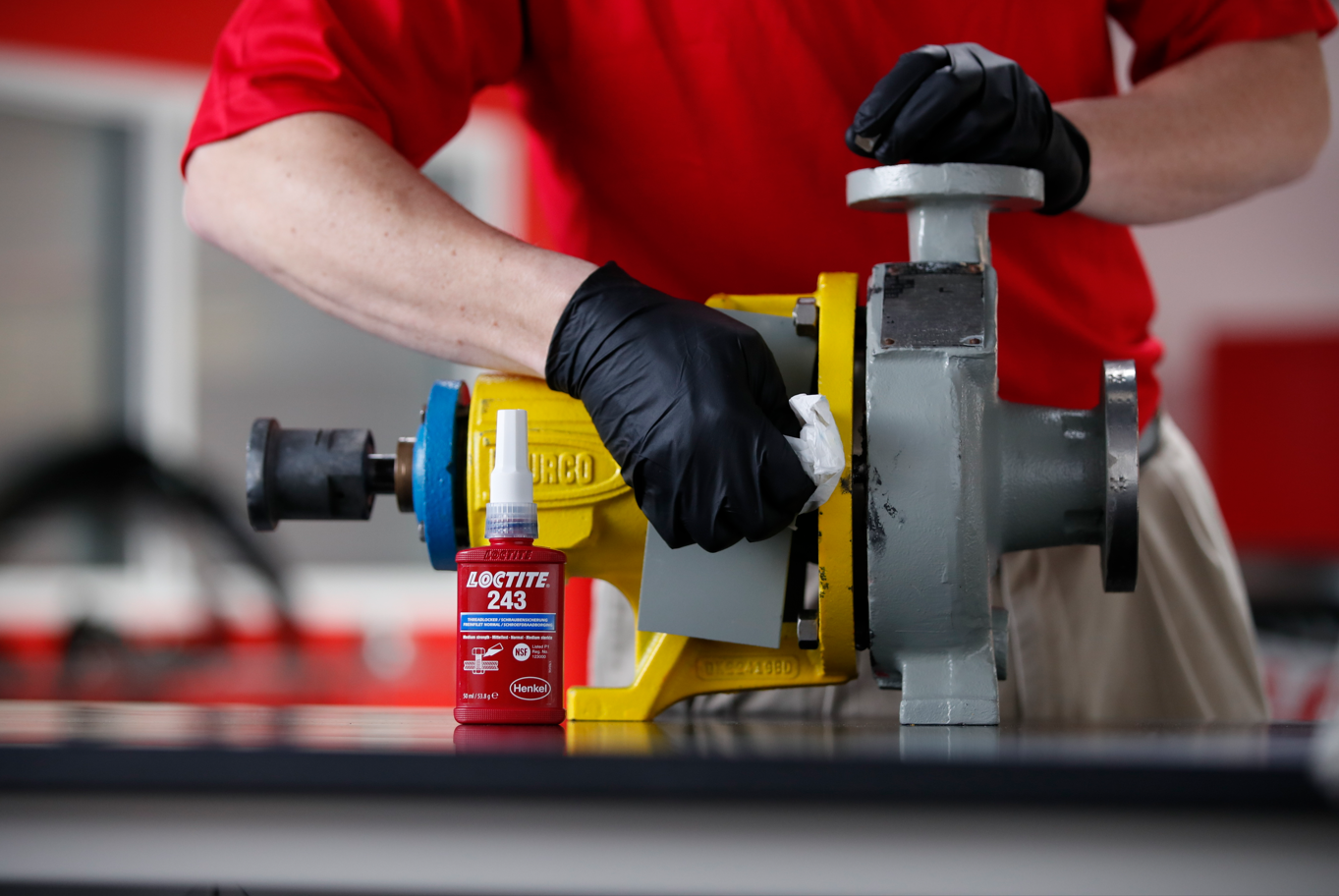
Loctite threadlockers cure anaerobically—meaning they harden in the absence of air when confined between metal parts.
Typical Dry/Fixture Time:
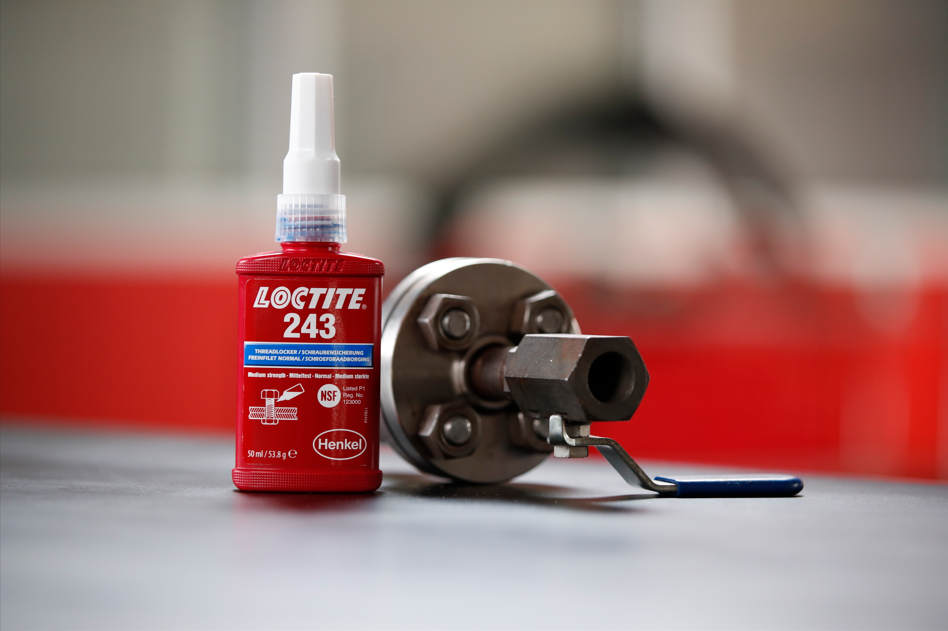
- Loctite 243 (Blue): 20 minutes
- Loctite 271 (Red High Strength): 20 minutes
- Loctite 222 (Purple Low Strength): 20 minutes
- Loctite 290 (Green Wicking): 20 minutes
Full Cure Time:
- 24 hours for most threadlockers
- Longer in cold conditions
You can usually handle or lightly use the assembly after an hour, but full strength is only achieved after curing.
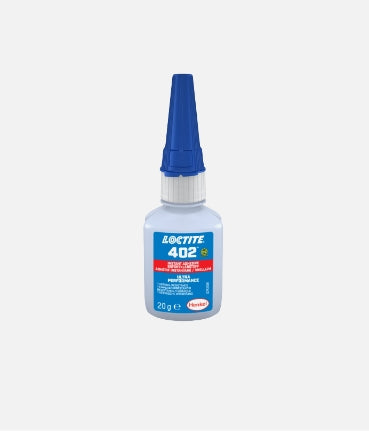
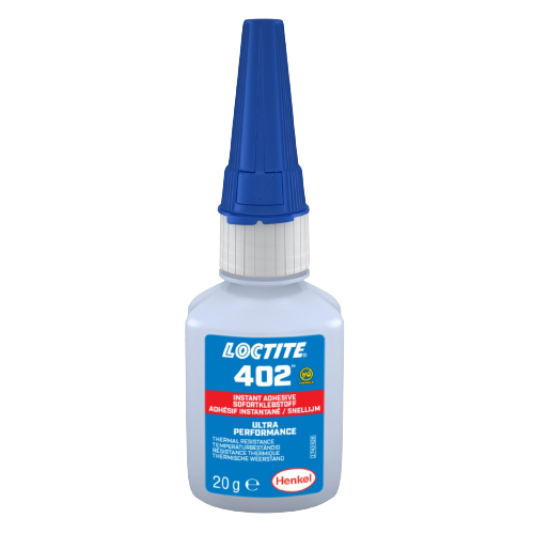
2. Loctite Super Glue (Cyanoacrylate)
Loctite super glues are known for their extremely fast bonding.
Dry/Fixture Time:
- 5–30 seconds depending on the amount of glue and surface type
- Porous materials may take slightly longer
Full Cure Time:
- 12–24 hours
To speed up bonding, ensure surfaces are clean and lightly clamped.
3. Loctite Epoxy (Two-Part Epoxy)
Epoxies require mixing resin and hardener before application.
Dry/Fixture Time:
- 5-minute epoxy: sets in 5–10 minutes
- 30-minute epoxy: begins to set in 20–30 minutes
Full Cure Time:
- 12–24 hours for light use
- Up to 72 hours for maximum strength
Use epoxies for heavy-duty applications like metal, wood, plastics, and structural repairs.
Factors That Affect Loctite Drying Time
1. Temperature
Higher temperatures speed up drying, while cold conditions slow everything down dramatically.
2. Humidity
Cyanoacrylate glues rely on moisture to cure quickly, but threadlockers cure anaerobically and aren't moisture-dependent.
3. Material Type
Metals cure fastest for threadlockers, while plastics and wood may take longer.
4. Amount of Adhesive
Too much product can prolong cure time or weaken the bond.
Tips for Speeding Up Loctite Dry Time
- Clean surfaces thoroughly (oil slows cure time).
- Use a primer such as Loctite 7649 to accelerate cure for threadlockers.
- Use a prime such as Loctite 770 to accelerate cure for instant adhesives.
- Apply thin, even layers.
- Maintain ideal temperatures (21–27°C / 70–80°F).
FAQs: How Long Does It Take for Loctite to Dry?
1. Can I speed up Loctite drying with heat?
Yes, gentle heat can speed up cure time, but avoid exceeding product guidelines to prevent weakening the adhesive.
2. How long before Loctite threadlocker is safe to use?
Most assemblies can be lightly handled after 20 minutes and put into service after 12–24 hours.
3. Why is my Loctite not drying?
Possible reasons include low temperature, oil contamination, incompatible materials, or expired adhesive.
4. Is Loctite waterproof after curing?
Yes, most Loctite adhesives are water-resistant or waterproof once fully cured.
5. Should I wait the full 24 hours?
For maximum strength—especially in automotive, mechanical, or safety-critical applications—24 hours is recommended.
Leave a comment
All comments are moderated before being published.
This site is protected by reCAPTCHA and the Google Privacy Policy and Terms of Service apply.